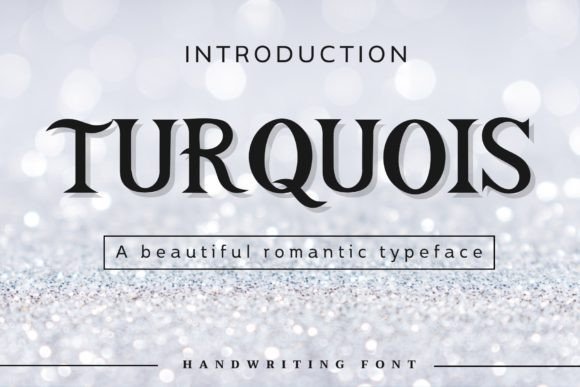
Turquois: A Sophisticated Serif Font for Small Business Branding
As a small business owner, I know that every detail matters when it comes to building a strong brand. From your logo to your packaging, each element contributes to how customers perceive your business. One often overlooked but powerful tool is the font you choose. Turquois, a stylish serif typeface, offers a refined and elegant look that can elevate your brand's visual identity across various platforms.
Elegant Style with Practical Benefits
Turquois is more than just a font—it's a statement of quality and professionalism. With its sleek lines and balanced proportions, this serif font exudes elegance and refinement. It has a timeless appeal that works well in both traditional and modern design contexts. Whether you're creating a logo, designing product labels, or crafting social media content, Turquois brings a sense of sophistication that aligns with a professional image.
The personality of Turquois is subtle yet impactful. It’s not overly ornate like some script fonts, nor is it too minimal like a sans serif. This makes it versatile enough to fit into a wide range of branding materials without feeling out of place.
Real-World Applications for Small Businesses
Using Turquois in your business materials can make a significant difference in how your brand is perceived. Here are a few practical examples:
- Logos and Branding Materials: A clean and elegant font like Turquois can be the perfect foundation for a memorable logo. Its readability ensures that your brand name is instantly recognizable, whether on a business card or a website banner.
- Product Labels and Packaging Design: For handmade products, such as candles or skincare items, Turquois adds a touch of luxury. It looks great on small labels and fits well with minimalist packaging designs.
- Social Media Graphics: When creating Instagram posts or Pinterest graphics, Turquois provides a polished look that stands out while maintaining a cohesive aesthetic with your other content.
- Website Banners and Web Design: Using Turquois as a headline font on your website can help draw attention to key messages. It pairs well with other fonts, making it ideal for creating visually appealing web layouts.
- Menus and Flyers: A café or boutique can use Turquois in their menus or promotional flyers to create an inviting and upscale feel.
Choosing the Right Font for Your Brand
Not all fonts are created equal, and choosing the right one is crucial for consistency and professionalism. Turquois is particularly useful as a display font or accent font. It works best in headlines, logos, and any area where you want to add a touch of elegance without compromising readability.
However, it's important to consider where and how you'll use Turquois. While it looks great in larger formats like banners and logos, it may not be the best choice for long blocks of text due to its serif style. For body copy, pairing Turquois with a clean sans serif font can provide a balanced and professional look.
Readability Across Different Formats
One of the most important factors when selecting a font is readability. Turquois performs well on both digital and printed materials. On mobile screens, its clear letterforms ensure that your message remains legible even at smaller sizes. In print, such as on product labels or thank-you cards, it maintains a high level of clarity and visual appeal.
This makes Turquois a great option for businesses that rely on small labels, packaging, or social media thumbnails where space is limited but impact is essential.
Practical Tips for Using Turquois
Before committing to using Turquois across your entire brand, it's wise to test it in different contexts. Try applying it to your logo, website headers, and marketing materials to see how it looks in real-world scenarios. You might also experiment with font pairing by combining Turquois with a complementary sans serif font for better contrast and balance.
Another tip is to check the commercial licensing of the font. If you plan to use Turquois on merchandise, packaging, or client projects, ensuring that you have the proper rights is essential. Many premium fonts require specific licenses for commercial use, so always verify before finalizing your design choices.
Enhancing Brand Identity with Typography
Typography plays a vital role in shaping brand identity. The right font can help your business stand out from the competition while reinforcing your brand values. Turquois, with its sophisticated and refined appearance, supports a brand that values elegance, quality, and professionalism.
Whether you're launching a new product line, updating your website, or redesigning your packaging, incorporating Turquois can contribute to a more consistent and trustworthy brand image. It helps create a visual language that resonates with your target audience and reinforces your brand message across all customer touchpoints.